
Air Return Placement
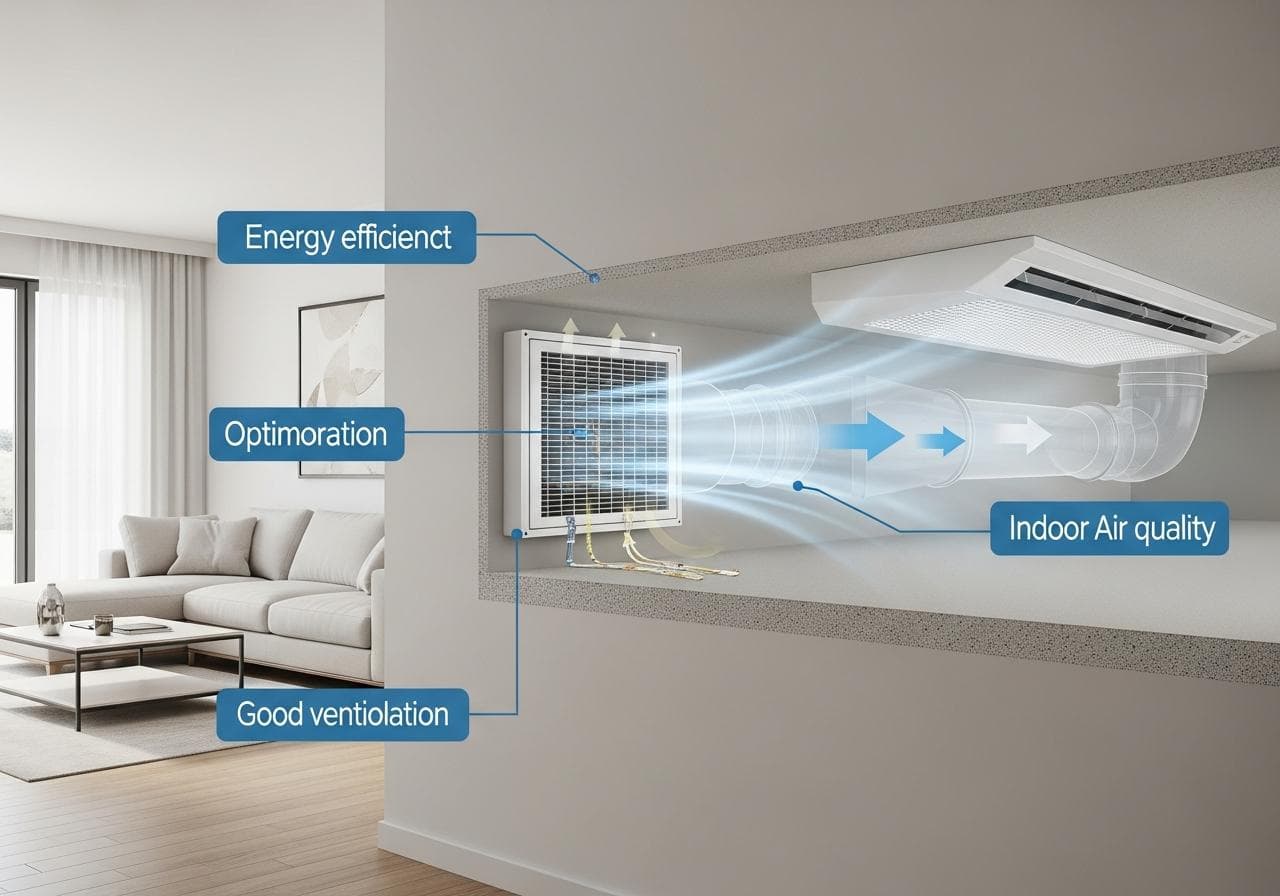
Strategic positioning of air returns enhances HVAC efficiency, promoting consistent temperatures and optimal indoor air quality.
Research topics
When it comes to ensuring a comfy living environment, air return placement is a key factor that often goes unnoticed. The effectiveness of your HVAC system design can hinge on the positioning of air returns. Proper placement can lead to better energy efficiency, improved indoor air quality, and ultimately, enhanced thermal comfort throughout your home.
The Basics of Air Return Placement
Air return placement refers to where the return vents are located in your ductwork. These vents are responsible for drawing air back into the HVAC system to be heated or cooled before it is returned to the various parts of your home. If not optimally placed, it can lead to uneven temperatures, increased energy costs, and a plethora of other issues.
Why is Air Return Placement Important?
Air return placement impacts several factors in your living space. Among these, mold prevention stands out. When airflow is not optimized, humidity can linger in certain areas of your home, creating a prime environment for mold and mildew to thrive. By ensuring that return vents are strategically positioned, you can effectively manage moisture levels and minimize the risk of mold growth.
The Role of Ductwork in Air Return Placement
Ductwork plays a critical role in the airflow optimization of your HVAC system. The design of your ductwork will dictate how effective your air return placement can be. If the air return ducts are too small or too few, your system might struggle to maintain balanced airflow, creating areas of suction that can lead to discomfort and residue buildup. Check out this guide on how to install return air ducts for insights on maximizing your system's capabilities!
Common Air Return Placement Strategies
One common wisdom is to place air returns low on the walls in rooms that have high ceilings, as warm air rises and cool air sinks. This positioning allows the HVAC system to draw colder air from the floor more efficiently. Another strategy is to avoid having return vents located too close to supply vents. Navigation of these strategies is essential for ensuring an effective HVAC system. Building codes may vary by region, so checking local building codes and regulations can also be helpful.
Optimizing Airflow for Energy Efficiency
Optimal air return placement can significantly improve energy efficiency. With well-placed returns, your HVAC system can avoid overworking to balance temperatures, thus consuming less energy. This not only saves you money on your utility bills but also reduces the carbon footprint of your home. Your home can become a model of energy efficiency just by making sure those returns are located where they are most effective.
Impact on Indoor Air Quality
Not only does effective return placement impact energy bills, it also plays a significant role in your home's indoor air quality. If air returns are poorly placed, stale air and pollutants could be recirculated throughout your home. Additionally, if humid air stays in the lower parts of your house, it could condense over time. Proper air exchange aids in the removal of allergens and other dangerous particles, directly affecting your health.
Managing Room Pressure
Properly designed air return placement helps in managing room pressure. When air returns are missing or poorly placed, it can lead to negative pressure in rooms—meaning air is being sucked in from outside, potentially bringing in humidity and allergens. Additionally, rooms with too much positive pressure can result in discomfort and inefficient airflow. Balanced pressures create a more comfortable environment while also assisting in preventing mold and mildew.
Considerations for Noise Reduction
Another often-overlooked benefit of strategic air return placement is noise reduction. Well-designed ductwork, combined with proper placement, can effectively reduce the noise from the HVAC system itself. If returns are placed too close to living areas without adequate sound dampening or insulation, you might find the whir of the system quite bothersome. Strategically placing returns can facilitate quieter operation and provide a more peaceful atmosphere in your home.
The Connection Between Airflow and Mold Prevention
Mold thrives in damp, stagnant environments. When air returns are positioned effectively, the importance of mold prevention cannot be overstated. A well-placed return can ensure that moist or humid air is adequately exhausted from your home, lowering the overall humidity level. This not only boosts comfort but also actively works to prevent mold spores from growing in hidden areas, keeping everyone safe and healthy.
Actionable Steps When Evaluating Your Air Return Placement
When considering your HVAC system and its air return placement, take the following actionable steps:
- Inspect existing ductwork and returns—ensure they are clean and unobstructed.
- Consult with professionals if you are unsure about the best return locations.
- Ensure air returns are at least 10-12 inches from the floor when feasible.
- Regularly check your air filters to improve both airflow and indoor air quality.
- Consider the overall layout of your home; each room’s airflow needs may differ.
Conclusion
Understanding air return placement is vital for maintaining a comfortable, healthy environment in your home. By optimizing airflow and strategically positioning air returns, you can improve your HVAC system's efficiency, enhance indoor air quality, and most importantly, support mold prevention. Make sure to consult with professionals, stay informed, and take active steps to ensure that your home remains a safe and pleasant place to live.
Posts Relacionados

20 Percent Tablecloths Guide
This guide offers advice on choosing and caring for tablecloths.
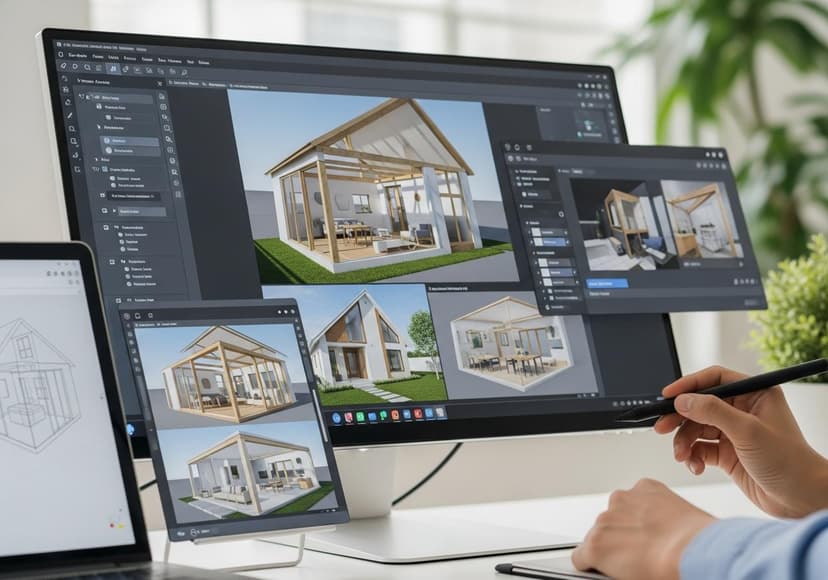
3D Remodeling Tools
These tools allow users to create, modify, and optimize 3D models for various applications with precision.

A1 Tree Trimming And Removal Guide
Proper tree trimming and removal ensures safety and enhances landscape aesthetics.