
Aortic Valve Replacement For Seniors
Surgical intervention improves quality of life and longevity for elderly patients with aortic stenosis.
Research topics
So, your doctor's mentioned something about your aortic valve? If you're a senior, you're definitely not alone. Aortic valve problems become more common as we age. It’s a serious issue, but thankfully, there are great solutions, most notably Aortic Valve Replacement. Let’s break down the basics without getting bogged down in medical jargon.
Why Does My Aortic Valve Matter?
Think of your aortic valve as a one-way gate between your heart and the rest of your body. It opens to let blood flow out from your heart to the aorta (the main artery) and then closes to prevent blood from flowing backward. Over time, this valve can get worn down, stiff, or damaged. This can lead to two main problems:
- Aortic Stenosis: The valve narrows, making it difficult for blood to flow out. Your heart has to work harder to pump blood through, which can eventually lead to heart failure.
- Aortic Regurgitation (or Insufficiency): The valve doesn't close tightly, causing blood to leak back into the heart. Again, this forces the heart to work harder.
Both of these conditions can cause symptoms like:
- Chest pain or tightness
- Shortness of breath, especially with activity
- Fatigue
- Dizziness or fainting
- Heart palpitations (feeling like your heart is racing or skipping a beat)
If you're experiencing any of these, it's super important to talk to your doctor. They can diagnose the problem with tests like an echocardiogram (ultrasound of the heart).
Aortic Valve Replacement: The Solution
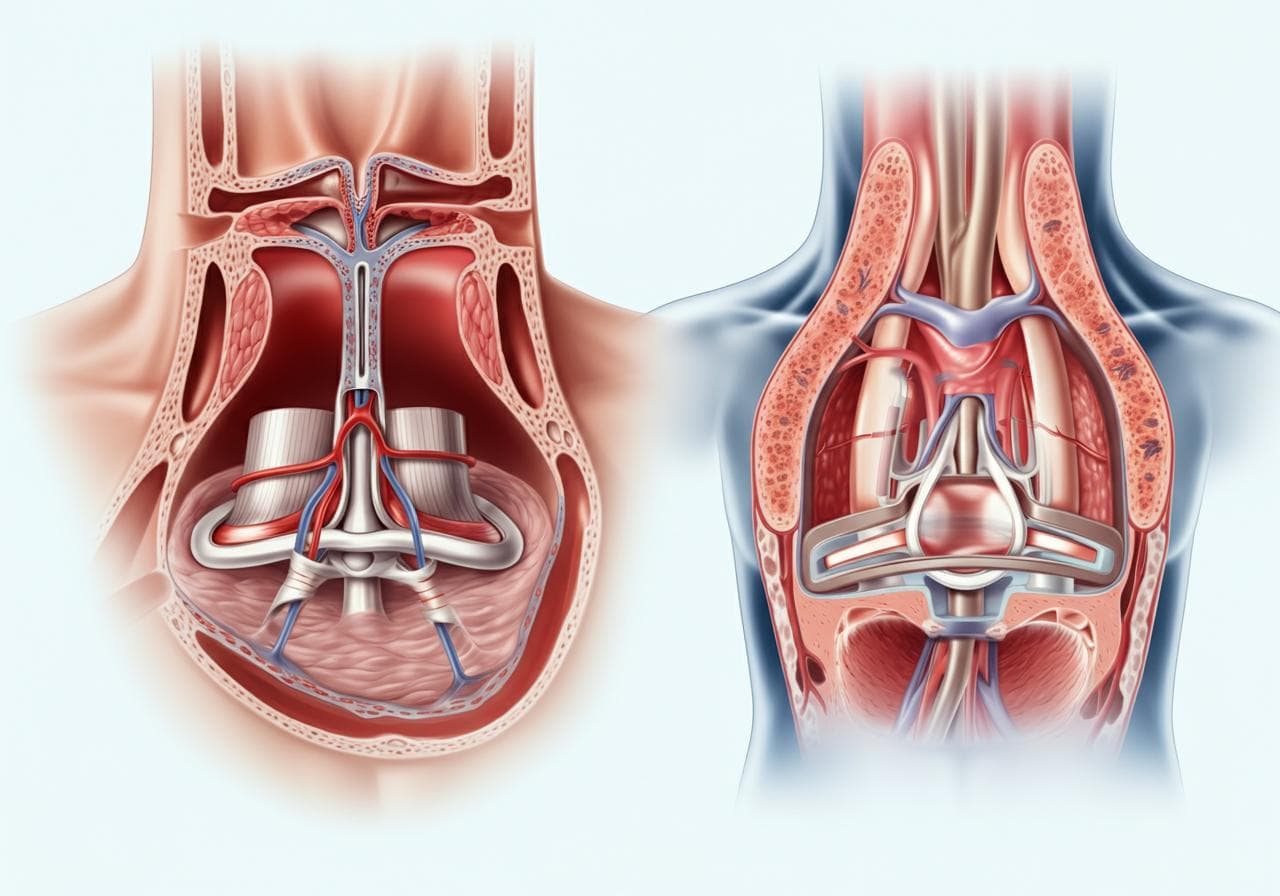
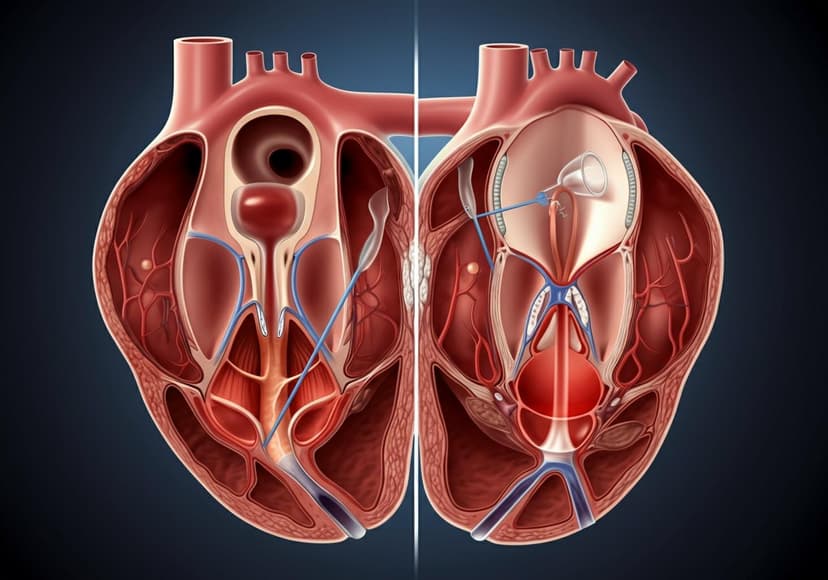
If your aortic valve is seriously damaged, Aortic Valve Replacement (AVR) is often the best course of action. Essentially, the damaged valve is replaced with a new one. There are two primary approaches to AVR:
This is the traditional method, also known as Surgical Aortic Valve Replacement. It involves open-heart surgery. A surgeon makes an incision in your chest, opens your sternum (breastbone), and replaces the faulty valve while you're connected to a heart-lung machine (which takes over the work of your heart and lungs during the surgery).
What to expect with SAVR:
- Recovery: Typically involves a stay in the hospital for about a week, followed by several weeks of recovery at home.
- Benefits: SAVR is a well-established procedure with a long track record of success. Surgeons have a lot of experience with it.
- Considerations: It's a more invasive procedure, so recovery can take longer than with newer methods.
TAVR is a minimally invasive procedure. Instead of opening your chest, the new valve is delivered through a catheter (a thin, flexible tube). The catheter is usually inserted through an artery in your leg (the femoral artery) or, sometimes, through a small incision in the chest. The new valve is then guided up to your heart and deployed inside the diseased valve.
What to expect with TAVR:
- Recovery: Often involves a shorter hospital stay and a quicker recovery compared to SAVR. Sometimes, patients can go home within a day or two.
- Benefits: Less invasive, potentially faster recovery, and may be a good option for seniors or patients who are at higher risk for traditional surgery.
- Considerations: TAVR is a newer procedure than SAVR. It is not necessarily the best option for everyone. There are important considerations like valve durability that need to be considered.
Making the Decision: SAVR vs. TAVR
Deciding between SAVR and TAVR is a crucial step. Your doctor, along with a heart team (cardiologists, surgeons, etc.), will evaluate your overall health, the severity of your valve disease, and other factors to determine which procedure is right for you. This is a very personalized decision. Several factors will influence this decision.
Studies like the one found here: https://www.annalsthoracicsurgery.org/article/S0003-4975(11)01793-0/fulltext, have compared the outcomes of these procedures.
Valve Options: Mechanical vs. Bioprosthetic
Regardless of whether you have SAVR or TAVR, you'll need a new valve. There are generally two types:
- Mechanical Valves: These are made of durable materials like carbon. They last a long time, but you'll need to take blood-thinning medication (like warfarin) for the rest of your life to prevent blood clots.
- Bioprosthetic Valves: These are made from animal tissue (usually cow or pig). They don't require blood-thinning medication in all cases, but they may not last as long as mechanical valves, especially in younger patients. They might need to be replaced in the future. The longevity of bioprosthetic valves is an important consideration for seniors.
Your doctor will discuss the pros and cons of each type of valve based on your individual circumstances, age, and lifestyle.
The Financial Side: Aortic Valve Replacement Cost and Beyond
Let's talk about the elephant in the room: cost. Healthcare costs can be a significant concern, especially for seniors on a fixed income. The terms you'll likely come across include:
- Aortic Valve Replacement Cost: This is the general term for the overall cost of the procedure, including the hospital stay, the surgery itself, anesthesia, the new valve, and any follow-up care.
- Aortic Valve Surgery Price: Similar to Aortic Valve Replacement Cost.
- Surgical Aortic Valve Replacement Cost: Refers specifically to the cost of the SAVR procedure.
- Transcatheter Aortic Valve Replacement Cost: Refers specifically to the cost of the TAVR procedure. This can vary depending on the hospital, location, and complexity of the case.
- TAVR Cost for Seniors: The same as above, but specifically focused on the cost considerations for seniors.
- Aortic Valve Replacement Expenses: This is a broader term, encompassing all costs associated with the procedure, including pre-operative tests, the surgery, the valve, hospital stays, medications, and post-operative care.
- Minimally Invasive Aortic Valve Replacement Cost: This can refer to procedures like TAVR but can also include other less invasive surgical approaches to SAVR. Costs may vary.
The specific Aortic Valve Surgery Price or Aortic Valve Replacement Cost will fluctuate based on a lot of factors. Some of them are:
- The type of procedure: Generally, TAVR Cost for Seniors tends to be slightly higher initially, as the technology is newer, but it can potentially offer long-term cost benefits through quicker recovery and fewer complications. Surgical Aortic Valve Replacement Cost is often more predictable, due to the established nature of the procedure. However, the potential for longer hospital stays can affect the overall cost.
- The hospital and location: Costs can vary significantly depending on where you live and the hospital you choose. Major metropolitan areas often have higher costs.
- Your insurance coverage: This is a huge factor! Make sure to understand your insurance plan's coverage for AVR, including deductibles, co-pays, and out-of-pocket maximums. Contact your insurance company directly to get a clear understanding of your benefits.
- The type of valve: While the valve itself contributes to the total Aortic Valve Replacement Expenses, the overall cost difference between mechanical and bioprosthetic valves is not as significant as the long-term costs of medications or the need for a second surgery later.
- Complications: Any complications during or after the surgery can increase the overall Aortic Valve Replacement Cost.
It’s difficult to provide a precise number for the Aortic Valve Replacement Cost without knowing your specific circumstances. However, you should definitely discuss the estimated costs with your doctor, the hospital, and your insurance provider early in the process. Don't be afraid to ask questions and get a detailed breakdown of the anticipated expenses. Understanding the financial implications is crucial for planning and peace of mind. Consider that while the initial Tavr Vs Savr Cost might be a consideration, other benefits like shorter recovery times also carry some value.
Here are some general tips for managing the financial aspect:
- Talk to your insurance company: Get pre-authorization for the procedure and understand your coverage.
- Ask the hospital about financial assistance: Many hospitals offer financial aid programs for patients who qualify.
- Explore payment plans: See if the hospital offers payment plans to help you spread out the costs.
- Consider supplemental insurance: If you have the option, supplemental insurance might help cover some of the expenses not covered by your primary insurance.
- Keep careful records: Track all bills and payments.
Life After Aortic Valve Replacement
After AVR, you'll need to follow your doctor's instructions carefully. This will likely include:
- Medications: If you have a mechanical valve, you'll need to take blood-thinning medication for the rest of your life. If you have a bioprosthetic valve, you might not need blood thinners, or you might only need them for a few months. Make sure you understand the purpose, dosage, and potential side effects of your medications.
- Regular check-ups: You'll need to see your cardiologist regularly to monitor your heart function and the condition of your new valve.
- A healthy lifestyle: This includes eating a heart-healthy diet, getting regular exercise (as recommended by your doctor), managing stress, and avoiding smoking.
- Watch for symptoms: Be aware of any new or worsening symptoms, such as chest pain, shortness of breath, or fatigue, and report them to your doctor promptly.
The good news is that most people who undergo AVR experience a significant improvement in their quality of life. You may find that you have more energy, can breathe easier, and can participate in activities you enjoy. Recovery times can vary. For seniors, the support of family and friends during recovery can be invaluable.
Additional Considerations for Seniors
For seniors, the decision to have AVR involves some unique considerations:
- Overall health: Your doctor will evaluate your overall health and any other medical conditions you may have.
- Frailty: If you are frail, your doctor will carefully assess the risks and benefits of each procedure.
- Cognitive function: Your doctor may assess your cognitive function to ensure you understand the procedure and can follow post-operative instructions.
- Support system: Having a strong support system (family, friends, or caregivers) can be very helpful during recovery.
Research, like the one available here https://pubmed.ncbi.nlm.nih.gov/34874655/, is continuously advancing our understanding of the long-term outcomes of these procedures, particularly in the senior demographic. These studies are essential when evaluating the best course of action.
In Conclusion
Aortic valve replacement is a life-changing procedure for many seniors. While the thought of heart surgery can be daunting, the benefits, in terms of improved quality of life and longevity, are often significant. It’s crucial to have open and honest conversations with your doctor about your condition, the treatment options, and the potential risks and benefits. Don’t hesitate to ask questions and seek a second opinion if you feel unsure. By understanding your options and the potential costs, you can make an informed decision and take control of your heart health. For more in-depth information, consider exploring resources from the American Heart Association or the National Heart, Lung, and Blood Institute.
It’s important to remember that information changes over time. Always consult with a qualified healthcare professional for any health concerns or before making any decisions related to your health or treatment. For a deeper dive into current recommendations, see: https://www.ncbi.nlm.nih.gov/pmc/articles/PMC9170321/
Posts Relacionados

Adult Aligners Seniors
For seniors, these aligners offer discreet teeth straightening, improving oral health and enhancing smiles effectively.

Affordable General Dentistry Guide
Access affordable dental care through general dentistry; prioritize oral health.
Aortic Valve Replacement In The Elderly
Surgical and transcatheter aortic valve replacement improve survival and quality of life for elderly patients with severe aortic stenosis.