
Boost Your Cybersecurity
Enhance digital security. Safeguard valuable data. Mitigate cyber threats. Protect your systems.
Research topics
In today's digital world, cybersecurity isn't just a luxury; it's a necessity. With the increasing frequency of data breaches, ransomware attacks, and sophisticated phishing scams, protecting your personal and business data is more critical than ever. This comprehensive guide will explore key strategies to significantly boost your cybersecurity posture. Ignoring these threats can lead to devastating financial and reputational consequences. Let's delve into the essential elements of a robust cybersecurity strategy.
Understanding the Threats
Before diving into solutions, it's crucial to understand the landscape of cyber threats. Ransomware attacks, where malicious software encrypts your data and demands a ransom for its release, are rampant. These attacks often target individuals and businesses alike, causing significant financial losses and operational disruptions. Phishing, a deceptive technique used to trick individuals into revealing sensitive information, is another pervasive threat. Phishing emails or messages often appear legitimate, luring unsuspecting victims into clicking malicious links or providing personal details. The consequences of a successful phishing attack can range from account takeovers to identity theft.
Beyond individual attacks, organizations face the constant challenge of vulnerabilities. A vulnerability is a weakness in a system or application that can be exploited by attackers. These vulnerabilities can stem from outdated software, poorly configured systems, or human error. A single undetected vulnerability can expose an entire network to a devastating data breach, leading to the loss of sensitive customer data, financial records, or intellectual property. This highlights the importance of proactive measures such as vulnerability management.
Essential Cybersecurity Measures
Building a strong cybersecurity defense requires a multi-layered approach. Here are some key strategies to consider:
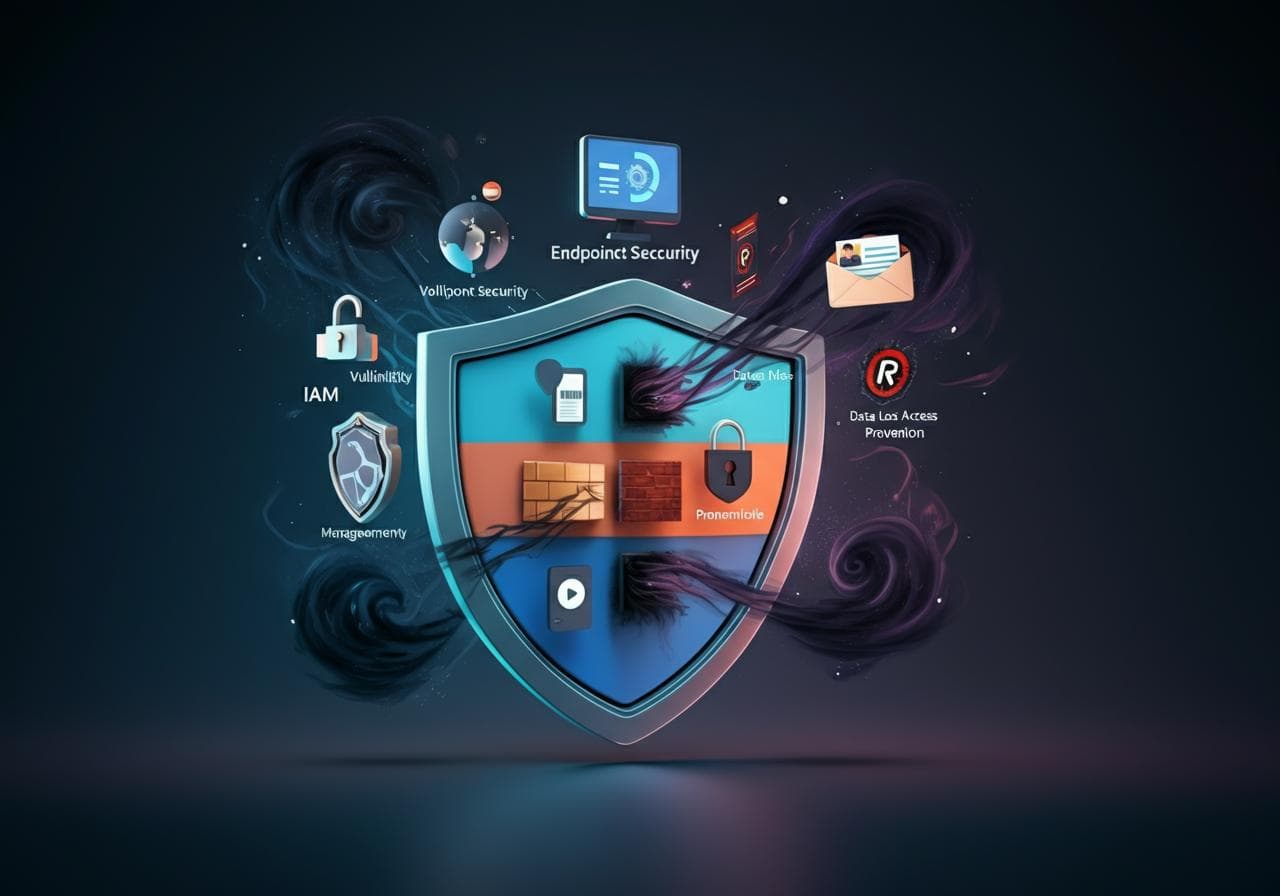
Endpoint security focuses on protecting individual devices, such as computers, laptops, and smartphones, from malware and other threats. This includes installing reputable antivirus software, keeping operating systems and applications updated, and using strong passwords. Regularly backing up your data is also crucial. A comprehensive endpoint security strategy also involves implementing measures such as device control, data encryption, and application whitelisting to prevent malicious software from gaining a foothold.
Vulnerability management is a crucial process for identifying, assessing, and mitigating security weaknesses in your systems. Regular vulnerability scans and penetration testing can help uncover potential vulnerabilities before they can be exploited. Implementing a patch management system to promptly address software vulnerabilities is also critical. For a more in-depth guide on strengthening your defenses, check out this excellent resource: Want to Boost Your Cybersecurity? Here are Ten Steps.
Identity and access management (IAM) involves controlling who has access to your systems and data. Implementing strong password policies, multi-factor authentication (MFA), and access control lists (ACLs) can significantly reduce the risk of unauthorized access. Regularly reviewing and updating user permissions is also crucial to ensure that only authorized individuals have access to sensitive information. IAM is a cornerstone of a strong cybersecurity posture.
Data loss prevention (DLP) focuses on preventing sensitive data from leaving your organization's control. This includes implementing measures such as data encryption, access controls, and monitoring tools to detect and prevent data breaches. A robust DLP strategy can significantly reduce the risk of data loss due to accidental or malicious actions. Consider employing DLP tools that monitor data movement in real-time, alerting you to any suspicious activity.
Security awareness training is crucial for educating employees about cybersecurity threats and best practices. Regular training can help employees identify and avoid phishing scams, recognize malicious websites, and understand the importance of strong passwords. Investing in security awareness training can significantly reduce the risk of human error, which is often the weakest link in any cybersecurity system. Simple steps to improve your security can be found here: Quickest Ways to Improve Your Cyber Security.
Beyond the Basics
While the measures above form the foundation of a robust cybersecurity strategy, several additional steps can further enhance your protection. Regularly backing up your data is crucial for disaster recovery. Consider using a cloud-based backup solution for added redundancy and protection against physical damage. Implementing intrusion detection and prevention systems (IDPS) can help identify and block malicious activity in real-time. Regular security audits and penetration testing can also help identify and address vulnerabilities in your systems.
Furthermore, staying informed about the latest cybersecurity threats and best practices is essential. Follow reputable cybersecurity blogs and news sources to stay updated on emerging threats and vulnerabilities. Consider engaging a cybersecurity consultant to conduct regular security assessments and provide recommendations for improvement. Remember, cybersecurity is an ongoing process, not a one-time fix.
Simple Steps for Immediate Improvement
Don't wait for a major incident to prioritize your cybersecurity. Here are some simple steps you can take immediately:
- Enable multi-factor authentication (MFA) on all your important accounts.
- Use strong, unique passwords for each account.
- Keep your software and operating systems updated.
- Be wary of suspicious emails and links.
- Back up your important data regularly.
For a concise guide to boosting your cybersecurity, check out this helpful resource: Five Easy Steps to Boost Your Cybersecurity.
By implementing these strategies, you can significantly improve your cybersecurity posture and protect yourself from the ever-evolving threat landscape. Remember, a proactive approach is key to mitigating risks and ensuring the safety of your valuable data.
Posts Relacionados

Antivirus Access Provided Guide
Comprehensive security protection is now available. Enhanced system safety is guaranteed.
Antivirus For Chromebook At No Cost
Chromebooks inherently include strong security features, thus often negating the need for additional antivirus software.
Apple Antivirus Access
This article explores Apple's security features and third-party antivirus options.