
Roof Material Climate
Selecting roofing materials influences building performance, impacting energy efficiency, durability, and resilience against varying weather.
Research topics
Your choice of roofing materials can make all the difference when it comes to your home's performance and energy efficiency.
Why Roof Material Matters
When deciding on roofing materials, it’s crucial to consider your local climate. The right materials can enhance your home’s insulation, protect against weather conditions, and even contribute to energy savings over time. This is where building codes come into play—they serve as guidelines that help you choose appropriate materials based on climate conditions.
Popular Roofing Materials
Various roofing materials are widely used, each offering unique advantages and disadvantages. Below are some common choices:
- Asphalt Shingles: Affordable and widely popular due to their versatility. They work well in moderate climates but can succumb to extreme weather conditions.
- Metal Roofing: Highly durable and excellent for shedding snow and rain. They can reflect solar heat, making them a great choice for warmer climates.
- Clay Tiles: Known for their longevity and aesthetic appeal, clay tiles are great in hot, dry climates. However, they are heavy and may require additional support.
- Slate Roofing: Exceptional longevity and durability, slate is perfect for wet climates but can be expensive and heavy.
- Composite Shingles: Mimicking the appearance of wood shakes or slate, these are lightweight and more affordable choices.
- Wood Shakes: Provide a natural look but may require more maintenance in humid climates as they can rot over time.
- Concrete Tiles: Similar to clay tiles but heavier. They can be a great choice for high winds and extreme heat.
Climate-Specific Considerations
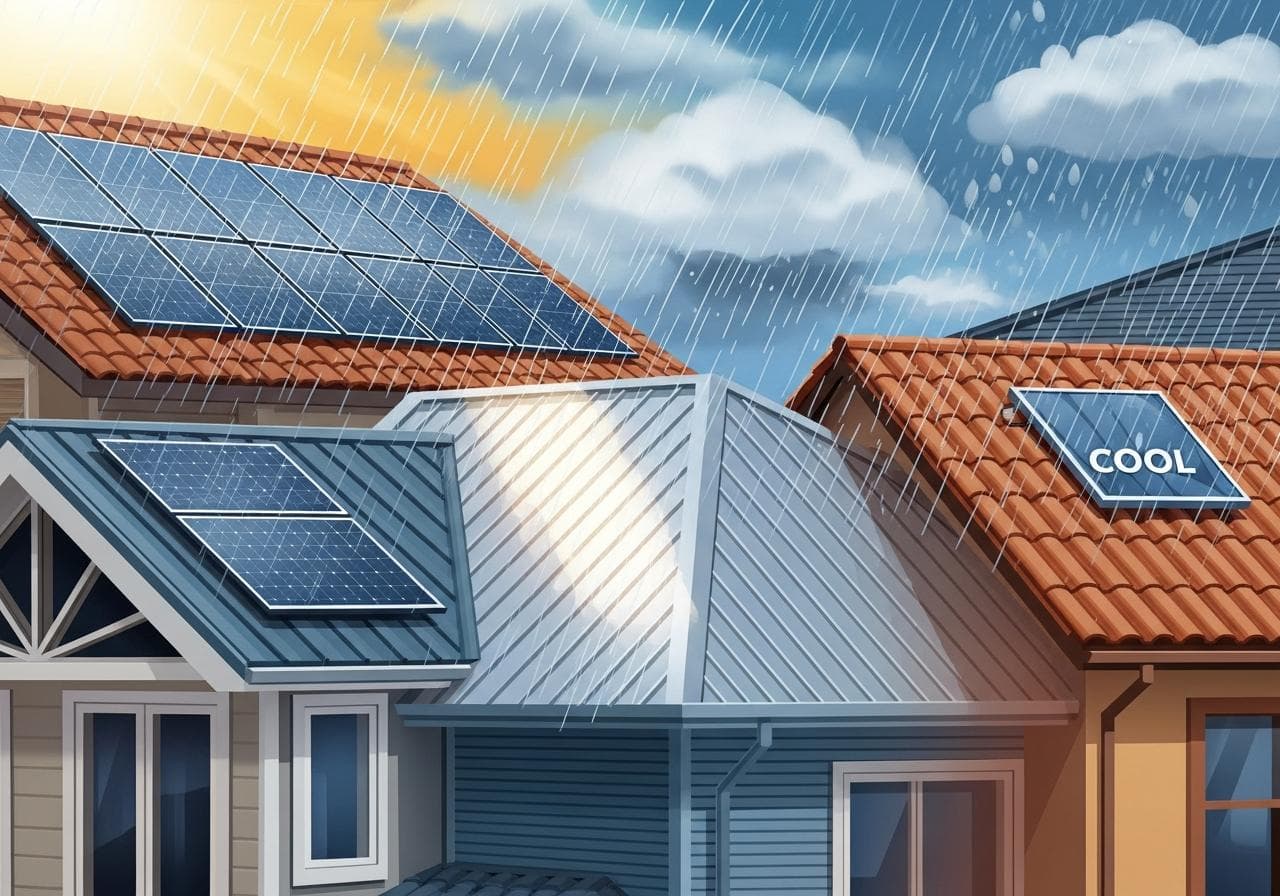
Climate can dramatically change the performance of your chosen roofing materials. For instance, areas with high levels of UV exposure benefit from materials that can reflect heat, like metal roofing and cool roofs. Cool roofs often have reflective qualities that can help keep your home cooler in the summer months, thus lowering energy bills.
In contrast, cold climates may require roofs that can shed ice and snow easily, such as metal roofing or slate roofing. This is where considering your climate when selecting roofing materials can ultimately enhance your home's resilience.
Energy Efficiency and Sustainability
More homeowners are looking for sustainable options. Green roofs offer an alternative by utilizing vegetation to manage stormwater, improve air quality, and provide insulation. However, implementing a green roof can be complex and is subject to building codes.
Another key player in energy efficiency is the installation of solar panels. To maximize the benefits, choosing the right roof type is critical. For instance, a sloped metal roof is often regarded as ideal for solar panel installation, whereas certain tile roofs may complicate the setup.
Cost Implications of Roofing Choices
While some materials might require a higher initial investment, such as slate roofing or metal roofing, they often pay off in the long run due to their durability and lowered maintenance costs. Asphalt shingles, although less expensive initially, may require more frequent replacements, especially in extreme weather.
Understanding the cost-benefit analysis of different roofing materials is essential and can often be guided by nuances in local building codes. Check with your local authorities to ensure compliance and get the best returns on your investment.
Local Building Codes
Before settling on a roofing material, you must familiarize yourself with local building codes. These codes govern factors such as material weight, fire resistance, and energy efficiency ratings. Building codes ensure that your roofing materials are safe and suitable for the weather conditions in your area.
For instance, if you live in an area prone to wildfires, specific materials such as non-combustible metal roofing or concrete tiles might be required. This is where consulting expert resources like this guide can be invaluable.
Choosing the Right Roof for Your Climate
Ultimately, selecting the right roof is about balancing aesthetics, functionality, and compliance with building codes. Each material has pros and cons that can vastly differ based on your specific climate conditions. For example, homeowners in hot, humid climates may want to avoid materials that trap heat and moisture, while those in snowy regions may prioritize avalanche-resistant technology.
Not only does this affect your comfort, but it also significantly impacts energy consumption. With the right materials in place, your home can become more energy-efficient, providing long-term financial savings alongside peace of mind.
Conclusion: Making an Informed Decision
In summary, your choice of roofing materials is more than just a cosmetic decision. Understanding the climate, energy efficiency options, and adhering to building codes is essential for any responsible homeowner. From asphalt shingles to clay tiles, each roofing material has its own unique advantages based on environmental factors and local regulations.
For further insights on choosing the best materials for your local climate needs, be sure to check out this resource which can guide you in making an informed choice that balances beauty, durability, and cost.
Posts Relacionados

20 Percent Tablecloths Guide
This guide offers advice on choosing and caring for tablecloths.

3D Remodeling Tools
These tools allow users to create, modify, and optimize 3D models for various applications with precision.

A1 Tree Trimming And Removal Guide
Proper tree trimming and removal ensures safety and enhances landscape aesthetics.